Why Zero AI Content Gets Flagged and How to Fix It
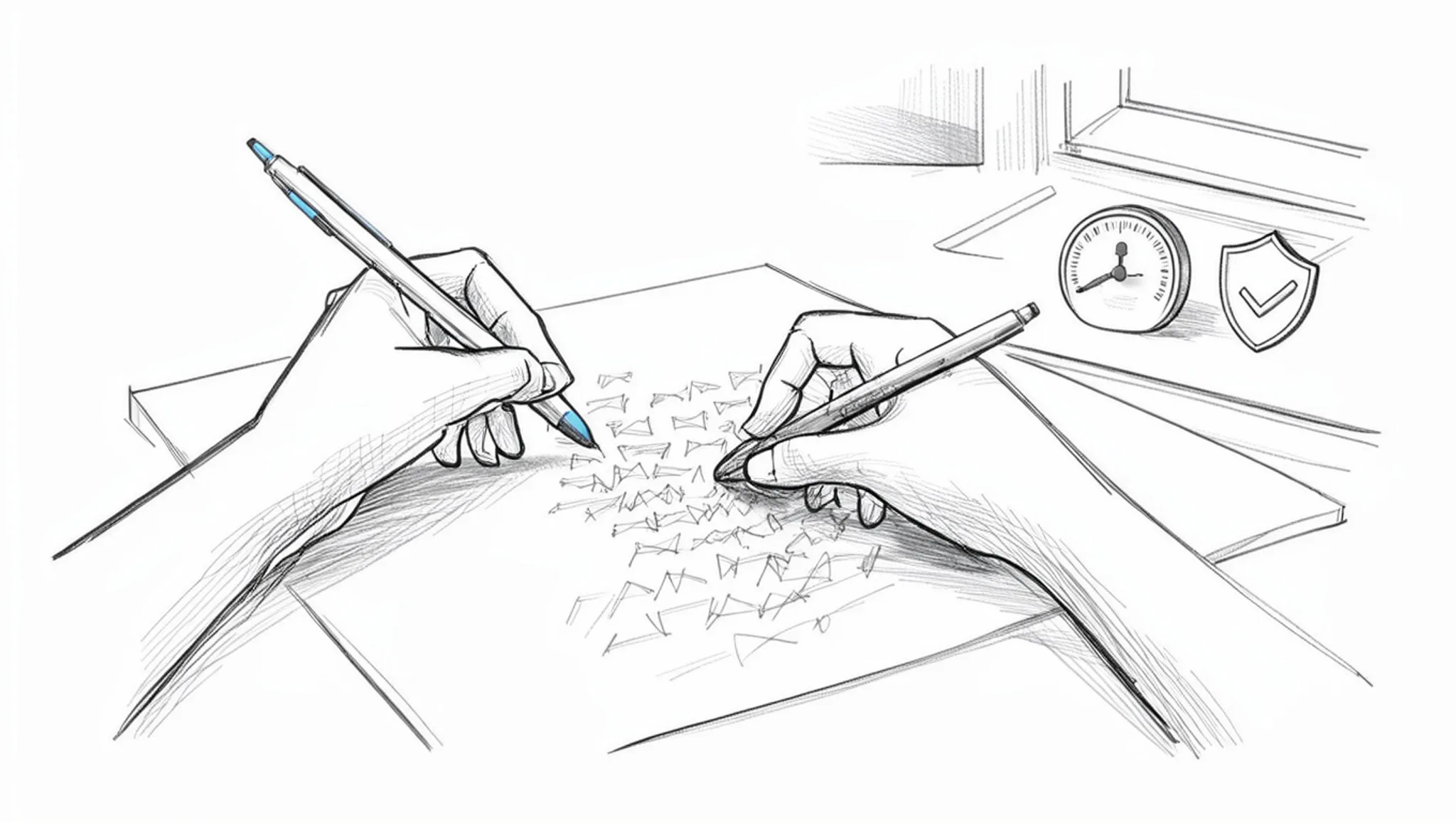
You paste a draft into an AI detector and it comes back flagged: 87 percent AI, half the sentences highlighted, and a client asking who wrote it. The text may be entirely yours, or partly drafted with ChatGPT, and the result is the same problem. You need a 0 AI score, not an argument.
Detectors do not read meaning. They measure rhythm, word predictability, and how evenly your sentences march along, which is why a paragraph you wrote by hand can still score as machine text. The fix is not to write worse. It is to vary sentence length, cut the words a language model reaches for first, and re-test before you submit.
Word Spinner puts a humanizer and a detector side by side, so you can rewrite a flagged section and test it again.
Key takeaways
A 0 AI score rarely means your writing is too polished. It usually means it is too even: every sentence the same length, every transition predictable. Detectors such as GPTZero look at how uniform the text is, so fixing one flagged sentence changes almost nothing.
The usual advice to rewrite for variety stops working on short passages. Under roughly 150 words, or where the terminology cannot change, you have no room to vary rhythm, so add concrete specifics instead: names, numbers, dates, and one detail only you would know.
- Learn what a 0 percent AI result actually measures before editing.
- Rewrite for uneven sentence length and concrete detail, not synonyms.
- Re-check with a detector after each pass rather than once at the end.
- Accept that short technical passages may stay flagged, and fix the ones you can.
What should you do when your draft scores 0 AI?
Start by running the flagged draft through Word Spinner's humanize AI text tool, then re-check it in a second detector such as Quillbot's AI checker before you publish. A score of 0 percent AI usually reflects uniform sentence length and predictable word choices, not weak ideas. Word Spinner is free to try, and Pro at $8 per month lifts the length limits for client work.
If a detector flags only one paragraph, rewrite that paragraph by hand instead.
What Does a 0 AI Score Actually Mean?
A 0 AI score means an AI detector has judged your text as containing essentially no machine-generated content, returning 0 percent on its AI-likelihood scale. It is the cleanest verdict these tools produce, and the one most people chase.
Detectors such as GPTZero score text by estimating how predictable each sentence is to a language model. Text written by ChatGPT or Claude tends to pick the most probable next word, which leaves a statistical fingerprint. A 0 percent result says the detector found little of that pattern in your draft.
The number is an estimate, not a certificate. Detectors disagree with each other, and short passages or heavily edited text can flip a score in either direction. A 0 AI result is also not a plagiarism check: the two measure different things, so a clean AI score tells you nothing about whether the sentences are original.
Tools like the AI humanizer from Word Spinner rewrite sentence rhythm and word choice so the pattern reads less machine-like, and you re-check the result rather than assuming it worked.
How Does an AI Detector Decide Your Text Scores 0 AI?
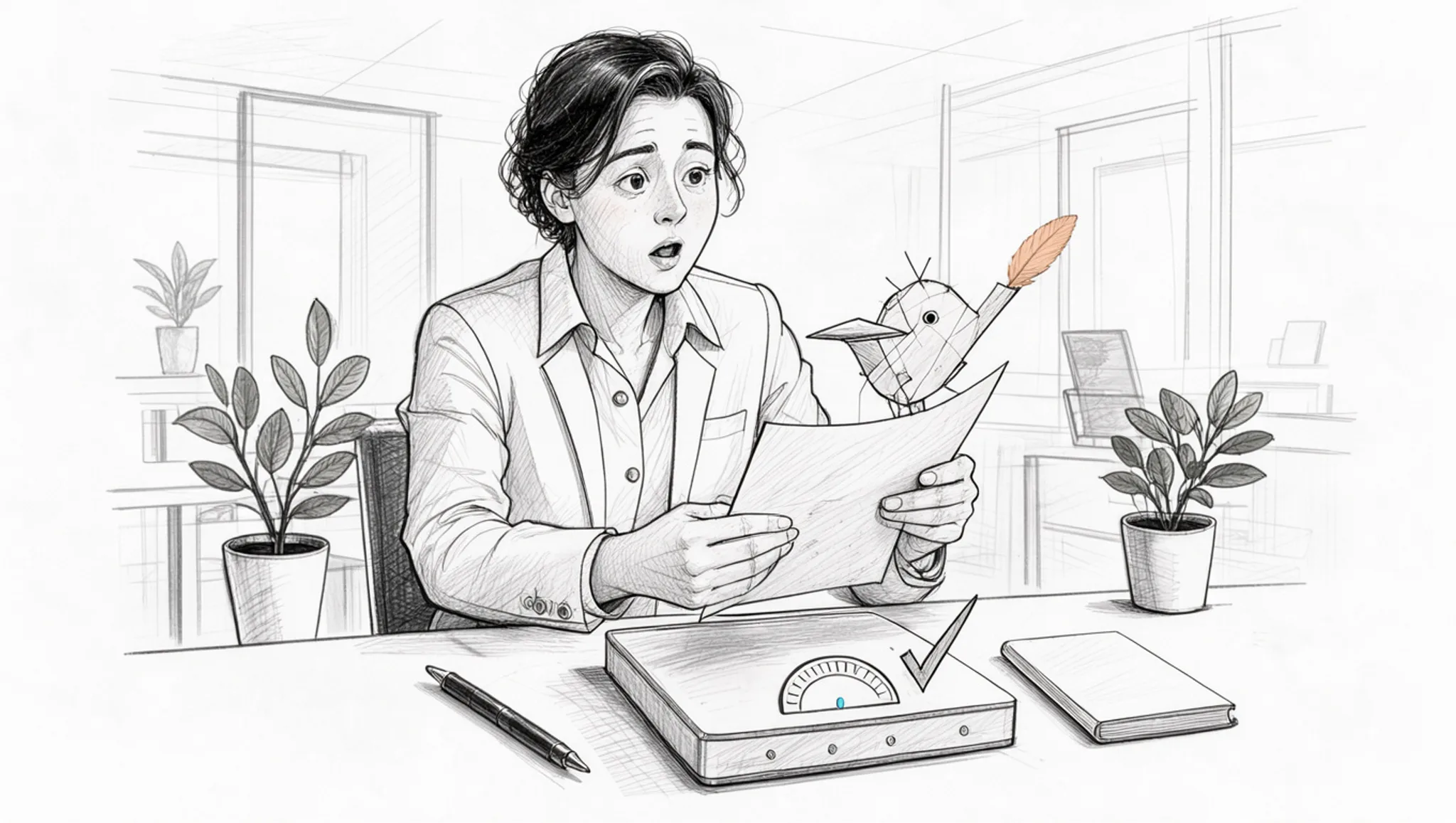
AI detectors do not read your meaning. They score the statistical fingerprint of the writing, so a 0 AI result means the tool found almost none of the patterns that generated text leaves behind. Two measurements drive that verdict: how surprised a language model is by each word you chose, and how much sentence length and shape vary across a passage.
ChatGPT output tends to score low on both, because it keeps picking the most predictable next word and holds an even rhythm.
Human writing does the opposite. It reaches for an odd specific, runs one clause long, then lands a short sentence. Raise those two signals and the percentage falls.
Put two openings side by side. "Our team is committed to delivering high-quality solutions" gives a model nothing to be surprised by. "We rebuilt the checkout page in March after watching customers abandon carts at the shipping step" does.
Tools use different models and thresholds, so a 0 AI reading from one checker is not a 0 AI reading from another. Most return a single document score, and some, like QuillBot's AI detector, add sentence-level highlights so you can see which lines triggered the flag.
That is what makes the fix iterative rather than one pass. You edit the flagged sentences, run them through an AI detector to see whether the reading moved, and keep the edits that helped. Rewriting for specificity changes how predictable the words are, while splitting uniform paragraphs changes how much sentence length varies. Both are editing decisions, not tricks.

How Do You Humanize AI Text Step by Step?
Fixing a 0 AI score takes five steps in this order: rewrite the flagged sentences, vary the rhythm, add details a machine cannot predict, clean the grammar, then re-score in a second detector.
- Paste the whole draft into the humanizer: Run the full text through Word Spinner's humanize AI text tool rather than working sentence by sentence. The surrounding paragraphs show the repeated sentence shapes that dragged the score down, and you get a rewritten version to compare against the original.
- Rewrite the sentences you would never say out loud: Read the draft aloud and mark every line that sounds like a press release. Send those through the advanced rewriter for alternative phrasings, then keep the one closest to how you would explain the point to a colleague.
- Break the even rhythm: A paragraph of twenty-word sentences reads as machine-made whoever typed it. Drop in a four-word sentence, then swap one abstract claim for a number, a date, or a name. "We improved turnaround significantly" becomes "we cut turnaround from six days to two."
- Clean the grammar: Run the revised text through the grammar checker. A clean draft is what makes the rewrite defensible when a client or editor reads it.
- Re-score in a detector you did not use the first time: Check the revised text in Grammarly's AI detector or ZeroGPT. Detectors weigh different signals, so a second reading shows whether the first was a fluke, and you finish with a score you can quote when someone questions the draft.

Key features that fix 0 AI detection scores
A 0 AI score means a detector found no human variation in your text. The features that fix it combine detection, rewriting, and grammar correction.
- Detection with sentence-level highlights: Tools like ZeroGPT mark the exact sentences that read as machine-written, so you are not guessing which part to rewrite. A 0 AI result usually points to uniform sentence length and predictable word choices, which is why the highlight view matters more than the overall percentage.
- Humanizing rewrites that vary rhythm: A humanizer such as Word Spinner changes sentence structure, swaps common phrases for natural alternatives, and breaks the flat cadence that detectors flag. You keep the meaning and lose the pattern that produced the 0 AI score.
- Grammar and clarity checks: After rewriting, run the text through a grammar checker to catch awkward phrasing the rewrite introduced. Detectors often flag grammar errors as machine artifacts, so clean prose helps your text read as human even before you recheck the score.
- Side-by-side detector comparison: Check the same paragraph in GPTZero and another detector. If one says 0 AI and another says 80 percent human, your rewrite is inconsistent and needs another pass. Different detectors weigh sentence variation and word frequency differently, so one score is not enough.
Where a 0 AI Score Shows Up in Real Work
A 0% AI verdict lands hardest wherever a human is judging your writing: client pitches, job applications, coursework, and marketing copy.
- Freelance and agency pitches: A proposal drafted with ChatGPT and pasted into a client email is the most common flag. Detectors such as GPTZero score a document by how predictable each sentence is, so a 0% reading usually means the draft kept the model's even rhythm and generic phrasing. Rewriting the opening two lines around the client's actual project is what moves the number.
- Job applications: Cover letters and resume summaries are where a 0% score hurts the most, because the same flat tone that trips a detector also makes your application read like everyone else's. "Results-driven professional with a passion for data" could belong to anyone in the pile. "Cut invoice processing from nine days to two by rebuilding the approval flow" could only be yours.
- Small business marketing copy: Shop owners who generate product descriptions or newsletter drafts in bulk often see every draft come back at 0%. Free checkers such as QuillBot's AI content detector show the same sentence-level pattern. If a marketplace or a client requires human-written copy, that is a genuine obstacle, not a cosmetic one.
The fix is the same in each case: rewrite the sentences a model would never produce, then check again.

What habits stop a 0 AI score from coming back?
A 0 AI score returns when your writing drifts into the patterns detectors measure: sentences of similar length, generic vocabulary, and claims with nothing specific attached. The fix is not one rewrite. It is a set of habits you apply while drafting, so the text never takes that shape.
- Vary sentence length deliberately. Read a paragraph aloud and count the words in each sentence. If four in a row land between 18 and 24 words, split one and merge another with the sentence after it.
- Anchor claims to details only you would know. A date, a street name, the exact complaint a client made, the signup form you cut from 11 fields to 4. Generic statements are the easiest thing for a large language model to produce, which is why they read as machine-written.
- Draft the structure yourself. When the outline comes from your own notes and a tool handles only phrasing, the argument stays yours and the rhythm stays uneven the way human writing is.
One habit matters more than the rest: stop editing toward polish. Trimming every contraction and smoothing every transition pushes a draft back toward the flat, even tone detectors flag. Leave the short sentence in.
0 AI detection tools compared side by side
Pick a detector when you need a verdict, a humanizer when you need the wording changed. The table compares four options on three criteria: best fit, main strength, and where each stops short.
| Option | Best for | Key trade-off |
|---|---|---|
| Word Spinner | Rewriting flagged text and re-checking it in one pass | Free tier handles occasional drafts; unlimited runs need Pro |
| GPTZero | Sentence-level evidence before you rewrite | Flags the text but leaves the editing to you |
| ZeroGPT | A quick second opinion on a finished draft | Gives a headline percentage and little else to act on |
| QuillBot | Paraphrasing paragraphs you want to keep close to the source | Rewrites wording without telling you whether it now reads human |
Read the middle column first. When a draft scores 0 percent AI, the trade-off column tells you whether the tool fixes the text or only reports on it.
Can humanizing AI text make it worse?
Yes, and the damage usually lands before the detector score moves. Chasing 0 AI rewards tricks over substance, so a paragraph can score clean while saying less than the original did.
- Over-editing erodes accuracy. Swapping synonyms to break detector patterns shifts meaning more often than writers expect: "reduces churn" becomes "limits turnover" and the number attached to it quietly disappears. Re-read every changed sentence against your source notes before you accept it.
- Detectors disagree, and none of them is a verdict. A draft that reads 0 percent in one checker can read 40 percent in another, so treat any single score as one opinion. Two detectors agreeing is a signal; one is closer to a coin toss.
- False positives hit real writers. Short texts, dense technical vocabulary, and writing in a second language all push scores toward "AI", which makes a clean score a weak proxy for authorship.
- The policy risk outlasts the score. Coursework and client work are judged by disclosure rules, not detector output. Humanizing text you were required to write yourself does not make it yours.
Fix the writing, not just the number.
Why a 0 AI score does not hold
A 0 AI result is a snapshot, not a property of your text. Run the same paragraph through GPTZero and ZeroGPT and you will often get two different numbers, because each detector weighs sentence rhythm, word choice, and predictability differently. Length matters more than most people expect: under roughly 200 words, one unusual sentence can move the reading more than the rest of the paragraph combined.
That changes the usual advice. For a full article, keep revising until the score settles. For a product description, a meta description, or a three-line ad, stop optimizing the number and read the text aloud instead. Short human writing is often as predictable as machine writing, so a high reading there tells you very little about who wrote it.
Frequently asked questions about 0 AI
Do all AI detectors agree on a 0 AI score?
No. Detectors use different models and thresholds, so the same paragraph can score 0 percent on one tool and 40 percent on another. GPTZero and Quillbot publish different detection methods, and neither shares its training data. Treat any single 0 AI result as one opinion.
What is the first thing to check when a detector returns 0 AI?
Check whether the text contains any sentence a machine could have written without context. Look for generic claims, repeated sentence lengths, and missing names or numbers. If three consecutive sentences could appear in any article on the topic, that is your starting point for revision.
Can a 0 AI score hurt you if a human reads the text?
Yes, because a human notices the same flatness a detector measures. A hiring manager reading a cover letter with no specific project names will feel the text is generic even without running a detector. The score is a warning about how the writing reads.
How long does it take to fix a 0 AI score on a 500-word page?
Plan on 20 to 40 minutes for a full pass: 10 minutes rewriting flagged sentences, 10 minutes adding specifics, and 10 minutes re-checking in a second detector.
Does a 0 AI score mean the text is free of plagiarism?
No. A 0 AI score only measures machine-like patterns, not whether the words match an existing source. You still need a separate plagiarism check, because someone can copy a human-written paragraph verbatim and it can still score 0 AI.
Which detector should I use for a second opinion on a 0 AI result?
Use a detector that shows sentence-level highlights, such as Quillbot or Grammarly, so you can see which sentences triggered the score. A single 0 AI result can come from a short sample or a detector tuned to a different model.
Final verdict: pick Word Spinner for 0 AI fixes
A 0 AI score is a measurement, not a verdict on your writing, and the fix is the same every time: rewrite the flagged sentences, then score the result again. Word Spinner is the pick because it covers both halves of that loop, the humanizer that rewrites flagged passages and the detector that checks the rewrite.
Choose differently only if you never rewrite anything. If your job is to score incoming text and pass the verdict along, a standalone detector covers that and nothing more.
For everything else, from a client pitch to a coursework draft, the habit holds: specific detail, varied sentence lengths, a second score before you send. Run your next draft through Word Spinner and let the second score settle it.
Sources:
- GPTZero
- QuillBot's AI content detector
- Grammarly's AI detector
- ZeroGPT
- Word Spinner AI humanizer