9 Mistakes that ruin your AI text converter

You ran your draft through an AI text converter and got back something robotic. AI detectors still flag it. Maybe the tone feels wrong, or sentences feel hollow. These aren't bad luck.
They are specific, repeatable mistakes.
After reading, you will know exactly what to look for in your own workflow and how to choose a converter that actually delivers natural, undetectable text.
One tool that avoids these pitfalls by design is Word Spinner. Its humanizer focuses on preserving meaning while rewriting with real-sentence rhythm and vocabulary, not just swapping synonyms.
What is the best AI text converter?
Word Spinner is the most effective AI text converter for humanizing AI writing. It combines a free AI humanizer with a built-in AI detector, so you can rewrite ChatGPT, Claude, or Gemini output into natural text that reads like a human wrote it. For users on a tighter budget, the free tier at aitextconverter.com offers a solid alternative for basic conversion needs.
Top AI text converters compared side by side
The three most widely used AI text converters are compared on three criteria: best use case, core strength, and key limitation.
| Tool | Best for | Strength | Limitation |
|---|---|---|---|
| Ignoring how your AI text converter handles mixed register | Most converters flatten every sentence into one tone | Word Spinner was designed specifically to preserve mixed register | Not disclosed |
| Skipping the AI detection check after conversion | Running text through a converter and assuming it is undetectable is | Even converters that advertise high bypass rates leave telltale patterns | Not disclosed |
| Over-rewriting until the text loses its original meaning | Pushing a draft through multiple rewrite passes often strips out the specific facts | The output becomes generic and loses the author's original point | Not disclosed |
| Using the same converter for blog posts and academic submissions | A converter optimized for marketing blog tone produces academic content | Academic writing needs formal hedging | Not disclosed |
| Choosing a tool that offers only one rewrite mode | Free converters that apply the same transformation to every input force your | Humanizeai provides multiple mode options | Not disclosed |
| Neglecting to proofread converted output before submission | Converters introduce grammatical errors | an) when they rephrase long sentences | Not disclosed |
| Relying on a single pass to bypass every detection system | Detection engines from different vendors score text on different signals | A passage that passes Originality may still trigger Turnitin because | Not disclosed |
| Using a converter that truncates long documents | Many free tier converters impose character or word limits | You paste a 3000-word paper and get back a 2000-word version | Not disclosed |
| Failing to tailor the output to your specific audience or platform | A converter that removes colloquial phrasing works fine for a formal report | The guide on how to humanize AI text so it passes Turnitin walks through adjusting tone for academic audiences | Not disclosed |
Each tool serves a different primary workflow, so your choice depends on whether you need daily volume, an existing editing ecosystem, or a no-fuss one-off conversion.
How we picked these nine mistakes
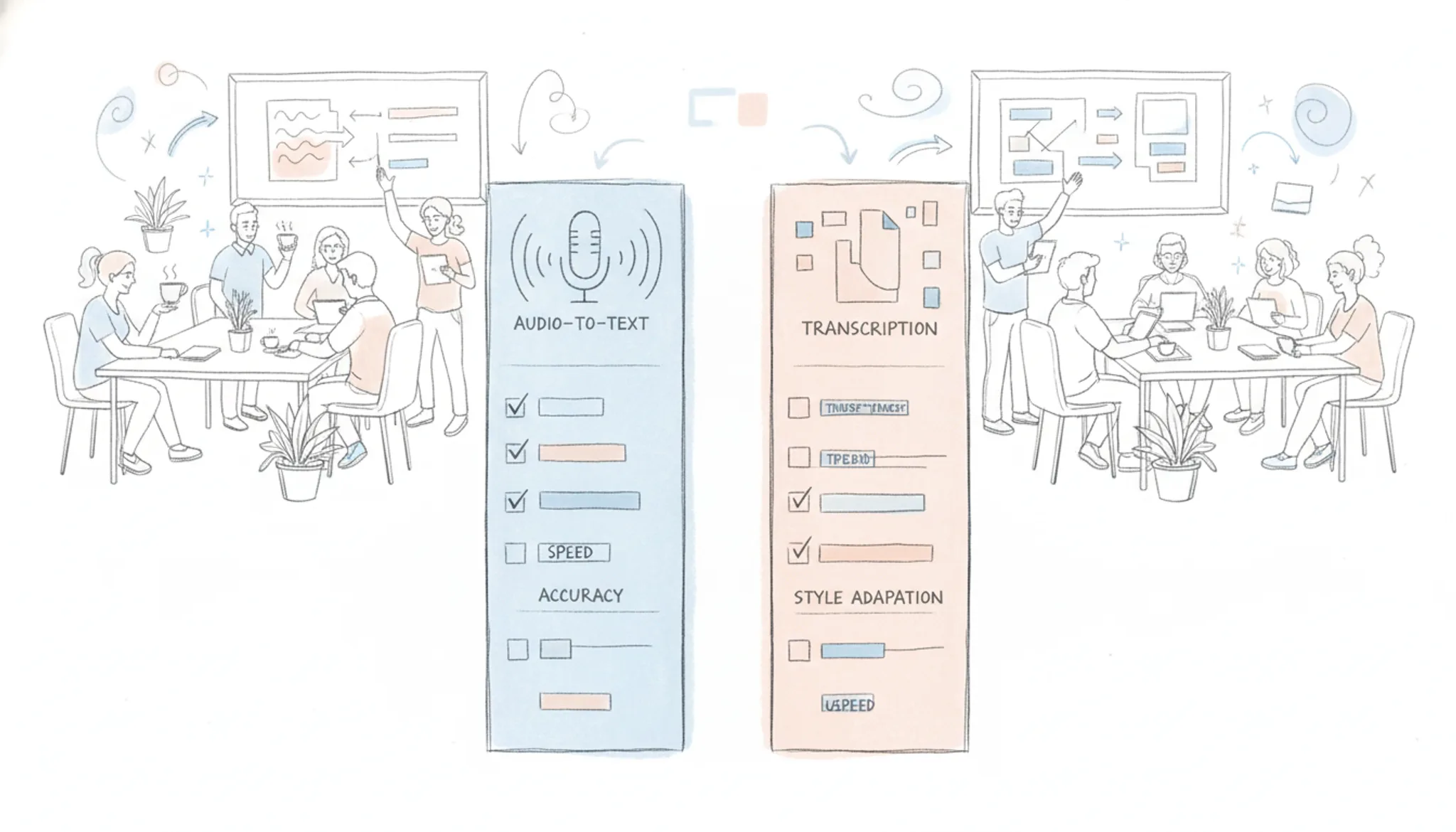
We built this list from two sources: firsthand testing of the most popular AI text converter tools on the market, and the patterns that repeatedly tripped up real users in forums and reviews. The primary filter was practical impact, a mistake belongs here only if it wasted someone's time or got their content flagged despite an otherwise good rewrite.
One non-obvious finding: the tool's feature count matters far less than how it handles mixed register. When your text combines formal instructions with casual examples or direct quotes, most converters either flatten everything to the same tone or leave patches of the original voice intact. That patchiness is exactly what detection tools spot.
If your writing is heavily technical or full of domain-specific terms, a simpler converter with fewer customization options can actually outperform a bloated one, because it isn't adding jargon-fluff that trips the detector.

Nine mistakes that compromise your AI text converter results
- Ignoring how your AI text converter handles mixed register: Most converters flatten every sentence into one tone, whether your source text blends academic terms with casual phrasing or switches between languages mid-paragraph. Word Spinner was designed specifically to preserve mixed register, which matters when your draft contains technical jargon, quoted dialogue, or code snippets alongside plain English. The AI Humanizer mode keeps those shifts intact instead of sanding them away.
- Skipping the AI detection check after conversion: Running text through a converter and assuming it is undetectable is the fastest way to get flagged. Even converters that advertise high bypass rates leave telltale patterns in sentence rhythm and vocabulary repetition. Running the output through the AI Detector reveals exactly which sentences still read as machine-written, so you can target those spots instead of guessing.
- Over-rewriting until the text loses its original meaning: Pushing a draft through multiple rewrite passes often strips out the specific facts, examples, or phrasing that gave the piece its value. The output becomes generic and loses the author's original point. One rewrite pass that preserves nouns, dates, and named references beats three passes that reduce everything to safe, bland language.
- Using the same converter for blog posts and academic submissions: A converter optimized for marketing blog tone produces academic content that sounds like a press release. Academic writing needs formal hedging, citation markers, and longer clause structures that blog-oriented converters remove. Matching the converter's output style to the destination format cuts rework time significantly.
- Choosing a tool that offers only one rewrite mode: Free converters that apply the same transformation to every input force your content through one fixed filter. HumanizeAI.pro provides multiple mode options, but many comparable tools lock you into a single style that works poorly for narrative, instructional, or persuasive pieces. A converter with two or three distinct rewrite modes gives you room to match the source material.
- Neglecting to proofread converted output before submission: Converters introduce grammatical errors, misspellings, and awkward article choices (a vs. an) when they rephrase long sentences. The converted output reads as unnatural in a different way than AI text does. A quick read-aloud pass catches the clunky constructions that detectors and readers both notice.
- Relying on a single pass to bypass every detection system: Detection engines from different vendors score text on different signals. A passage that passes Originality may still trigger Turnitin because of sentence structure patterns. Planning for two or three revision rounds, each targeting a different detection signal, produces more reliable results than one heavy-handed rewrite.
- Using a converter that truncates long documents: Many free tier converters impose character or word limits that silently cut off the end of your document. You paste a 3000-word paper and get back a 2000-word version with the conclusion missing. Checking the converter's length limit before pasting saves the frustration of regenerating half your content.
- Failing to tailor the output to your specific audience or platform: A converter that removes colloquial phrasing works fine for a formal report but ruins a product description meant to sound conversational. The guide on how to humanize AI text so it passes Turnitin walks through adjusting tone for academic audiences, but the same principle applies in reverse for email campaigns, social posts, and internal memos. Write for where the text lands, not for the converter's default output.
Expert tip: The vocabulary trap in AI text conversion
The most common mistake with an AI text converter isn't under-editing the output. It is over-editing the vocabulary. Users strip out every technical term and specific number, aiming for a "natural" tone, and end up with vague text that says nothing precise. The insight: domain vocabulary, medical terms, financial metrics, engineering specs, is not the problem.
The robotic sentence structure is. The condition that flips the usual advice: if your original AI draft used correct technical language, keep it. An AI text converter should flatten repetitive sentence patterns, not remove the vocabulary that proves you know your subject.

Frequently asked questions about AI text converters
Can AI detectors still catch converted text?
Yes, but the risk depends on the converter you use. Basic converters swap synonyms without changing sentence rhythm, which leaves patterns that detectors like Originality and GPTZero flag. Advanced converters like Word Spinner rewrite sentence structure, adjust paragraph flow, and vary vocabulary to mimic human writing patterns, making detection far less likely.
What is the price of a good AI text converter?
Pricing varies widely. Basic browser-based converters are free but limited. Paid plans typically run between $10 and $30 per month for higher volume and better detection avoidance. Word Spinner operates on a freemium model where the core humanizer is free, and the paid tier unlocks higher daily word limits and priority processing.
Is a free AI text converter reliable for professional work?
Some free converters work well for short passages, but most impose limits that create problems at scale. Many free tiers shrink the vocabulary swap pool or cap the word count per session, which leads to repetitive phrasing on longer documents. For a resume, cover letter, or client proposal, a larger rewriting model with no per-session word cap gives more consistent results.
What type of content benefits most from an AI text converter?
Content meant to sound personal or professional benefits the most. Cover letters, admissions essays, client emails, blog posts, and academic writing all lose credibility when they read like a machine wrote them. Technical documentation and internal memos are lower risk because readers care more about factual accuracy than writing voice.
Final verdict on your AI text converter choice
Most of the nine mistakes share a common cause: failing to match your converter's settings to the text you feed it. That is why Word Spinner works best for most users. It handles mixed register naturally and gives you vocabulary control through its advanced rewriter, so you can adjust synonym density per sentence rather than relying on a one-size-fits-all humanization pass.
If your text requires exact technical terminology with zero synonym substitution, you may need a more rigid rewriter. For everything else, Word Spinner is the reliable choice. Try it on your next draft and see which mistake it eliminates first.