How to use an AI word rewriter to polish your drafts without losing your voice
Key takeaways
- Start with Word Spinner's advanced rewriter because it works sentence by sentence and keeps your phrasing patterns instead of swapping them for generic filler.
- Keep your original open beside the tool, since reading the two versions side by side is the only way to catch a change that quietly drops your point.
- Feed the rewriter one paragraph at a time. Running a whole document through at once hides which edits came from the tool and which came from you.
- Voice lives in sentence rhythm and word choice, so reject any output that loses the way you normally open a sentence.
- A finished rewrite still needs a plagiarism check and proper citations before it goes live.
Paste a paragraph you spent an hour on into an AI word rewriter and the version that comes back is often cleaner, flatter, and no longer yours.
An AI word rewriter polishes a draft without flattening your voice when you work in small pieces and compare each result against what you originally wrote. The practical questions are what to feed it, how far to let it move, and when to put the pen back in your own hand.
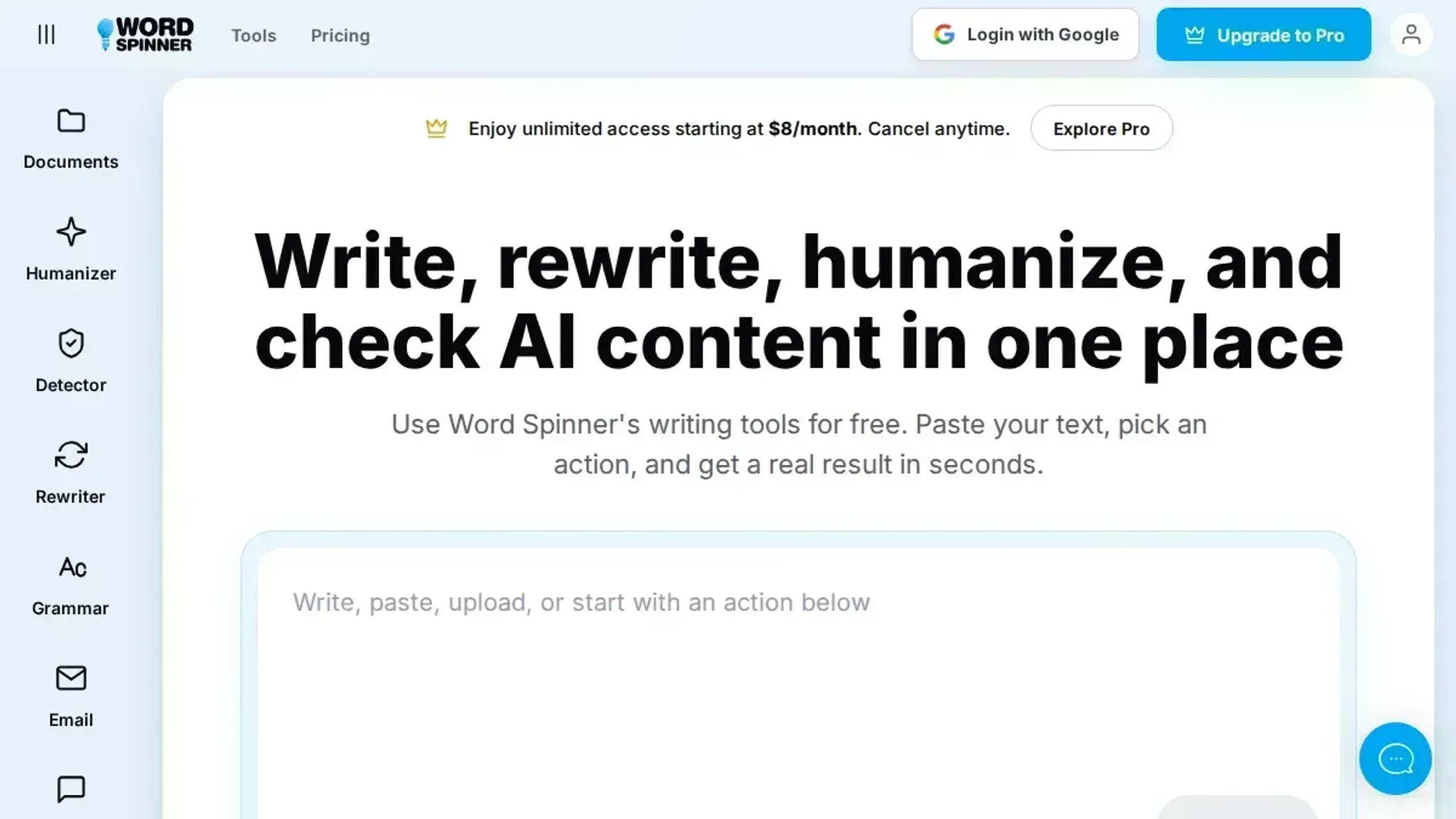
Word Spinner pairs an advanced rewriter with a humanizer and a grammar checker, so you can polish a draft and then check how the finished content reads.
What is the best AI rewriter for keeping your own voice?
Start with Word Spinner's advanced rewriter. It works sentence by sentence, so your phrasing patterns survive the pass instead of being swapped for generic filler. QuillBot and Grammarly handle a quick paraphrase of one sentence well, and Scribbr's paragraph rewriter stays free with no hidden charges.
Switch tools the moment your draft is technical enough that the rewriter starts trading your terms for synonyms, because that is where a rewrite stops being an edit and starts being a replacement.
What you'll need before you start
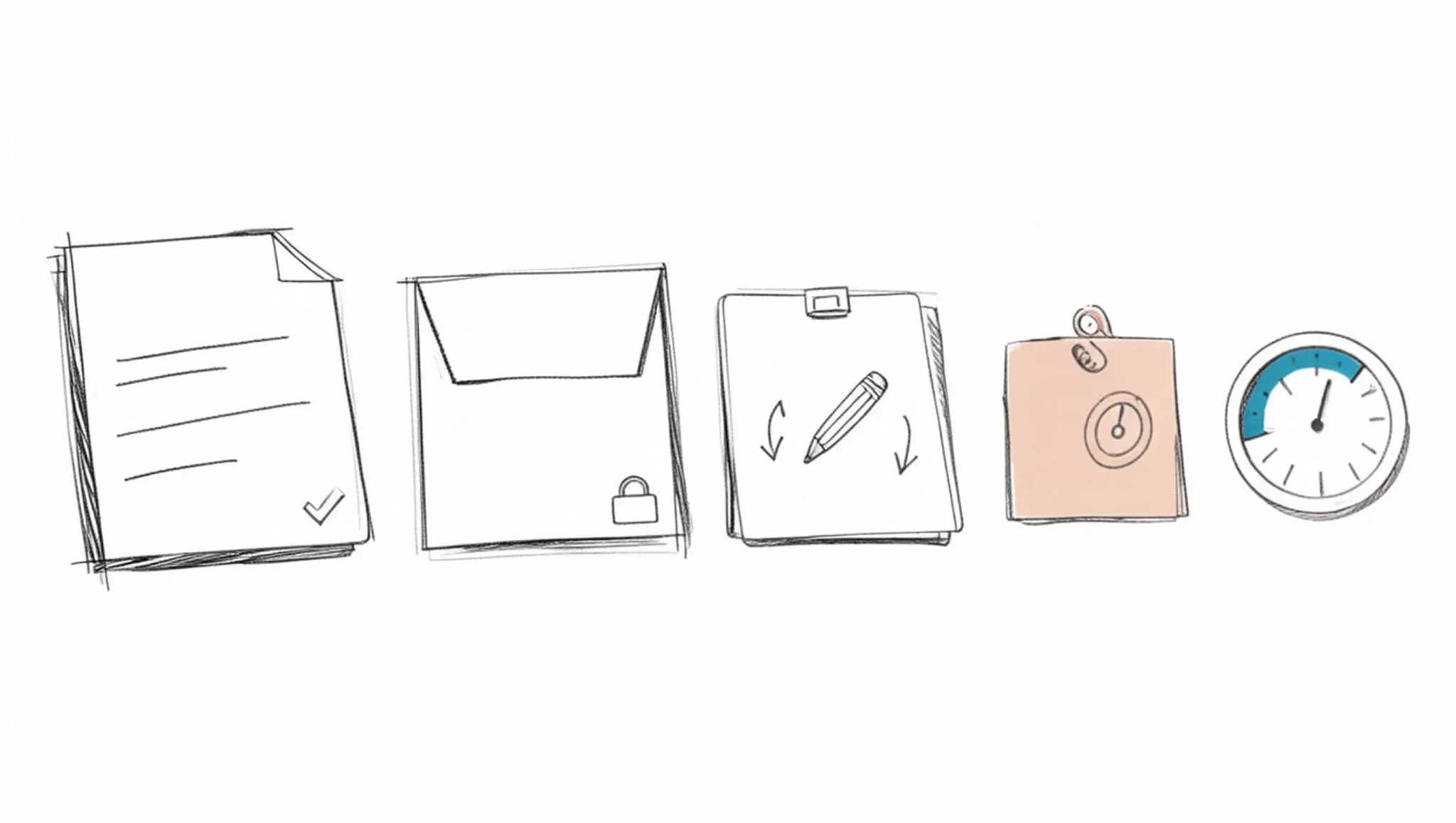
Rewriting works best when you already have a draft, not a blank page. The one rule that is not obvious: keep a copy of your original text open beside the tool, because comparing sentence by sentence is the only way to catch a change that quietly drops your point.
- A finished draft of at least one paragraph
- A saved copy of the original, untouched
- One rewriter that works at sentence level, such as Word Spinner
- A specific goal: shorter, clearer, or less repetitive
- Five minutes to read both versions side by side
The six-step rewrite pass, from rough draft to final read
Have your draft and your original file open side by side, and set aside about twenty minutes. This runs in one sitting.
- Paste one section at a time. Feed the AI word rewriter a single paragraph rather than the whole document. The habit that saves the most time is to rewrite paragraph by paragraph and read each one before moving on, because running everything at once hides which changes came from the tool and which came from you. Working section by section gives you something you can actually see: a rewritten paragraph you can place beside the original and compare sentence by sentence.
- Choose a light rewrite setting. Word Spinner's advanced rewriter lets you decide how far the tool moves from your wording. Use it light on the first pass. You get back a paragraph with the same sentence order and the same argument, where only word choices have shifted. Heavier settings reorder clauses, which rescues a paragraph you dislike and ruins one you already like.
- Compare the output against your original, sentence by sentence. Read the new version with the old one next to it and mark any sentence where a specific detail turned vague. Grammarly's paragraph rewriter and QuillBot's paragraph rewriter both produce fluent output, and fluency is exactly what hides a dropped qualifier. ChatGPT does the same when you ask it to rephrase a paragraph, and it drifts toward its own stiff phrasing. That leaves a short list of sentences to fix by hand.
- Put your own phrases back. Most writers have three or four constructions that carry their voice: a habitual opener, a direct address to the reader, a phrase they reuse without noticing. Find them in the original and restore them. The result sounds like you on a good day rather than a generic version of the topic.
- Run the grammar checker over the merged text. Swapping words introduces subject-verb agreement slips and stray commas that were not in your draft. Word Spinner's grammar checker catches them in one pass, and you get a version you can read without stopping.
- Check whether it still reads as machine text. Paste the finished paragraph into an AI detector. If it flags as generated, run it through the humanizer; the guide to making AI text sound naturally human covers which settings to change. The result passes a human read and a detector check.
Final pass checklist: verify the rewrite kept your voice
| Check | Why it matters | What a fail looks like |
|---|---|---|
| Read both versions aloud and flag any sentence you would not say. | Unnatural phrasing signals a rewrite that replaced you. | You stumble on a clause you would never speak. |
| Confirm every proper noun, number, and date matches the original. | Rewriters can quietly alter facts. | A product name comes back singular when it should be plural. |
| Check that your sentence openers still vary the way they did before. | Repeated openers flatten your rhythm. | Three sentences in a row start with "The". |
| Search the draft for filler phrases like "in order to" or "due to the fact that". | These are the clearest tells of machine rewriting. | You find two of them in a single paragraph. |
| Paste the result into an AI detector and read the flagged spans yourself. | A flag is a reason to look, not a verdict. | The flagged sentence is one you wrote by hand. |
The tell is in your transitions
An AI word rewriter works sentence by sentence, so a long draft comes back with every sentence polished and the logic joining them flattened. A rewrite can pass a grammar check and still read as not yours.
Take a paragraph that ends on a concession and the next one that opens with "But". A sentence-level tool polishes both and leaves the turn between them limp, because it never sees the two together.
The usual advice to run the whole draft through at once holds only when your paragraphs stand alone. If your argument lives in the transitions, reread the seams yourself before you ship. Most free paragraph rewriters behave this way.
Frequently asked questions about AI rewriting
Does an AI word rewriter change your writing voice?
Only when you hand it whole paragraphs. A sentence-level pass keeps your rhythm because it edits inside your sentences. A paragraph-level pass replaces the sentences themselves, and that is where your voice goes.
What belongs on an AI word rewriter checklist before publishing?
Read the result aloud, confirm every name and number survived, and check that the meaning still matches your draft. Then run it through a grammar checker, because rewriters sometimes leave a dangling clause behind.
Is an AI word rewriter useful for small teams?
It helps most when one person writes and another edits, because the rewrite offers a second phrasing to compare against. Solo writers often get more from a grammar checker alone. Word Spinner bundles rewriting, humanizing, and grammar checks for free.
How do you tell whether a draft reads as AI generated?
Detectors flag low variation in sentence length, and tools like originality.ai and grammarly.com offer that check. No detector is reliable on a short passage, so treat a flag as a reason to reread, not a verdict.
Final verdict on polishing with an AI rewriter
The best next step is to paste your draft into Word Spinner, run the rewrite, then read the result aloud before you publish. It keeps your phrasing intact while fixing the sentences that were fighting you.
Choose differently if you only need one paragraph touched up inside a document you already write in, where Grammarly's inline suggestions stay closer to the cursor. For a full draft, the separate rewrite pass wins.
Once the wording holds, run the 5-minute SEO checklist before the page goes live. A clean rewrite still needs a title, a description, and headings that say something.