
What to know before you rely on what AI detector do colleges use
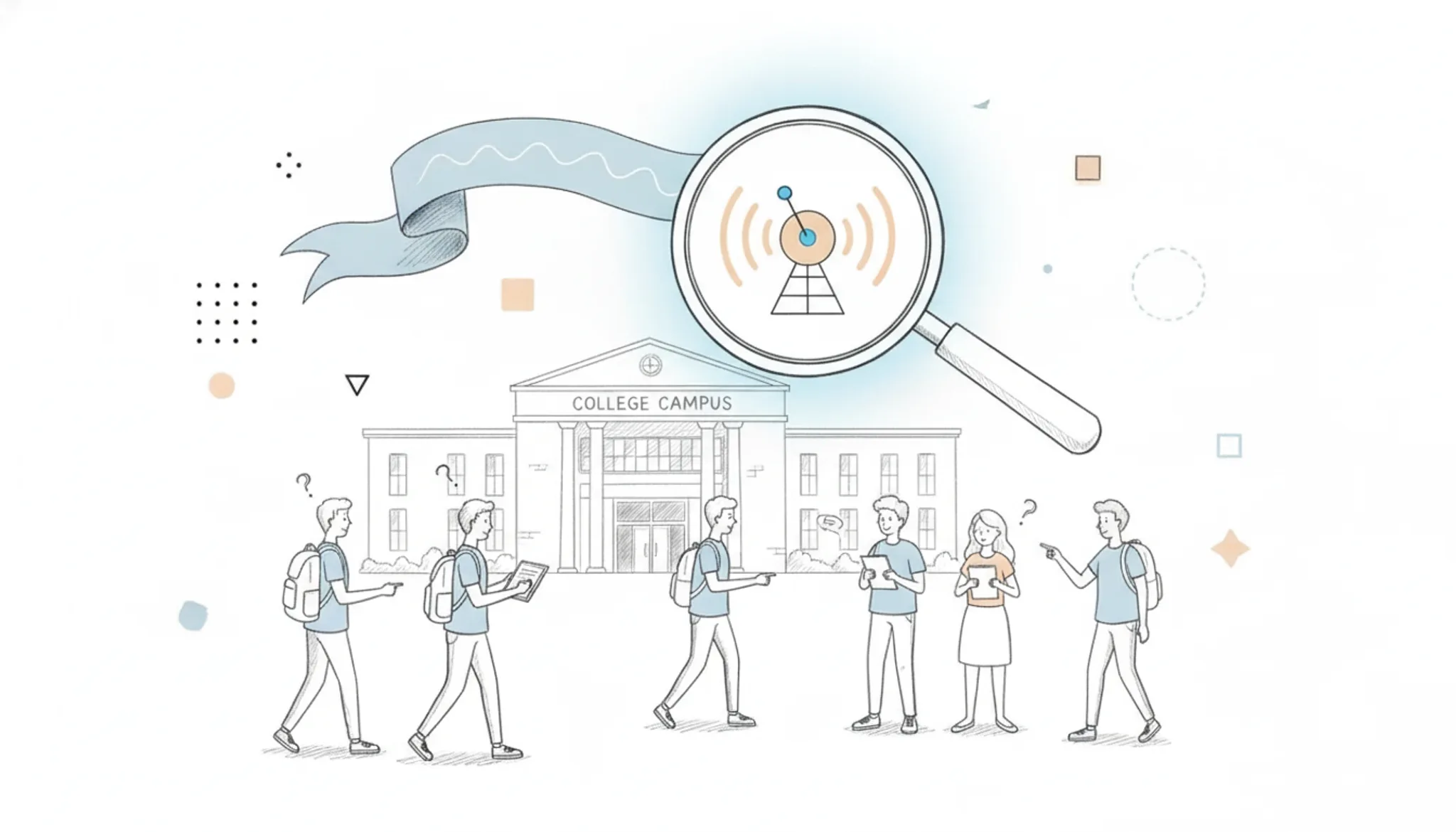
You just submitted an assignment you wrote yourself, and the professor's AI detector flagged it as machine-generated. Now you're stuck trying to figure out what tool actually made that call and whether you can trust it.
Turnitin is the most widely used AI detector in colleges, integrated into the plagiarism-checking workflows most institutions already rely on. Roughly 40% of four-year colleges have adopted some form of AI detection, with Turnitin as the dominant choice. Some schools also use GPTZero, Copyleaks, or Originality as alternatives or supplements, but Turnitin remains the default because it requires no separate login or submission process for students.
You'll also learn how Word Spinner can humanize your writing so it reads naturally and avoids false positives, no matter which detector your school runs.
Key takeaways
- Identify which AI detector your school uses (most often Turnitin) so you know the detection method and can tailor your writing approach accordingly.
- Understand that no detector is perfect: false positives are common, especially for non-native English writing, so a flag does not automatically mean misconduct.
- Prepare a documented process for your work (drafts, notes, version history) to demonstrate authorship if it is ever challenged.
What AI detector do colleges use?
Turnitin is the most widely used AI detection tool in colleges, integrated directly into the plagiarism-checking workflows that most institutions already rely on. According to Turnitin's own research, its AI detection feature achieves high accuracy on GPT-3.5 and similar models, which is why roughly 40% of four-year colleges have adopted some form of AI detection, with Turnitin as the dominant choice.
Some schools also use GPTZero, Copyleaks, or Originality as alternatives or supplements, but Turnitin remains the default because it requires no separate login or submission process for students.

How do college AI detectors work?
College AI detectors are scanning tools that analyze submitted text for patterns typical of machine-generated writing. They do not prove that AI wrote something. They return a probability based on two linguistic signals: how predictable each word choice is for a language model, and how much sentence length varies across the text. Human prose tends to vary more on both.
Turnitin is the detector most college students encounter because its AI writing detection sits inside the plagiarism workflow professors already use. One submission produces a single report with both a similarity score and an AI writing percentage, which makes detection a default step rather than an optional extra.
Before submitting, run your own draft through a free AI detector to see what a flagging tool would catch, then rewrite flagged passages in your own voice or run them through an AI humanizer.
What happens after a college AI detector flags your paper
Submission starts the scan automatically. Most colleges that use detection run Turnitin inside Canvas, Blackboard, or Moodle, so the check finishes before your professor opens the file. The review queue shows a percentage and highlighted passages, not a verdict.
- Similarity and AI scores appear side by side: Instructors see the plagiarism percentage next to the AI-writing percentage. The two numbers measure different things; a paper can score high on one and low on the other.
- Highlighted passages mark suspected machine text: The report colors sentences the detector treats as AI-generated. Professors read those passages directly, so a quoted source or technical phrase can draw a false positive.
- The instructor decides what the flag means: Professors on Reddit describe high AI scores leading to a closer reading or a conversation, not an automatic penalty. Institutional policy varies.
Run your own check first, and reading how popular detectors compare helps you predict the score your professor sees.

How to check your own paper for AI before submitting
A pre-submission self-check takes about ten minutes when you run the same scan your school does. Start with the detector your college uses, usually Turnitin, because it sits directly inside most learning management systems.
- Run your draft through Turnitin first: Submit to a test assignment or your school's similarity portal and read the AI score on the report. This shows exactly what your instructor will see.
- Confirm with a second detector: Paste the flagged sections into GPTZero or Copyleaks, two tools that a 30-tool accuracy comparison tested side by side.
- Rewrite flagged passages: Keep your evidence and citations, but restructure the sentences that triggered the flag. Word Spinner's advanced rewriter does this while preserving the original meaning.
- Re-scan the revised draft: Run the new version through the same detectors and confirm the highlighted sections clear before you submit.

What do professors see when a college AI detector flags your paper?
A college AI detector's verdict is not a simple "AI or human" output. Most detectors report a percentage score for how much of the document looks machine-generated, and professors see that number beside your name in the submission system.
Beyond the headline number, the capabilities that matter are the breakdowns. Turnitin, the tool most campuses use, separates its score into individual AI sources and shows highlighted passages, so a professor can see exactly which sentences triggered the flag. GPTZero and Copyleaks offer similar per-sentence analysis; faculty regularly compare Turnitin against those alternatives when deciding what to trust.
That granularity cuts both ways. A detector that highlights two sentences of a ten-page paper gives your professor context, while a bare percentage with no detail invites suspicion. The level of detail built into your school's tool shapes how the flag reads, so it pays to know what your professor actually sees.
When do colleges actually run AI detection on your work?
Colleges do not scan every word you submit. Detection usually runs automatically when you submit through the learning management system with Turnitin enabled, covering essays, lab reports, and discussion posts in one pass.
The main use cases:
- Standard essays and term papers: They pass through Turnitin in the normal submission flow, and the AI report appears beside the similarity report your professor already reads.
- Final projects and theses: High-stakes documents get scanned at submission because they carry a large share of your grade.
- Short discussion posts and journals: Some professors enable detection for low-stakes writing too. Short AI-generated answers are easier to spot, so these posts get flagged often.
- Graduate and scholarship applications: Programs sometimes screen personal statements with GPTZero or Turnitin before choosing candidates.
What writing habits reduce the chance of an AI detection flag?
Most flags come from patterns, not proof of cheating, so the best defense is evidence of your process. Keep your outline, notes, and edit history from the start; if Turnitin or GPTZero flags your paper, that record carries more weight than any detector score.
Write in your own voice from the first draft and include personal examples a chatbot could not produce, since detectors compare text against machine patterns, not your intent. Know your school's threshold. Many institutions treat a score over a set cutoff as review-worthy, not automatically dishonest.
Finally, run Word Spinner's free AI detector before submitting, then rewrite any flagged passage in your own words instead of resubmitting it unchanged.
College AI detectors compared
They compare on three criteria: integration, accuracy, and how verdicts reach students.
| Option | Best for | Key trade-off |
|---|---|---|
| Turnitin | Campuses with its plagiarism checker | Integrated into 40% of colleges; false positive rate under 1% for papers over 300 words |
| GPTZero | Quick individual checks | No campus integration; students may not see results |
| Copyleaks | Verifying suspicious passages | Supports 30+ languages but less common in US colleges |
Pick your campus tool; its verdict is what professors see.
Risks, limitations, and things to watch
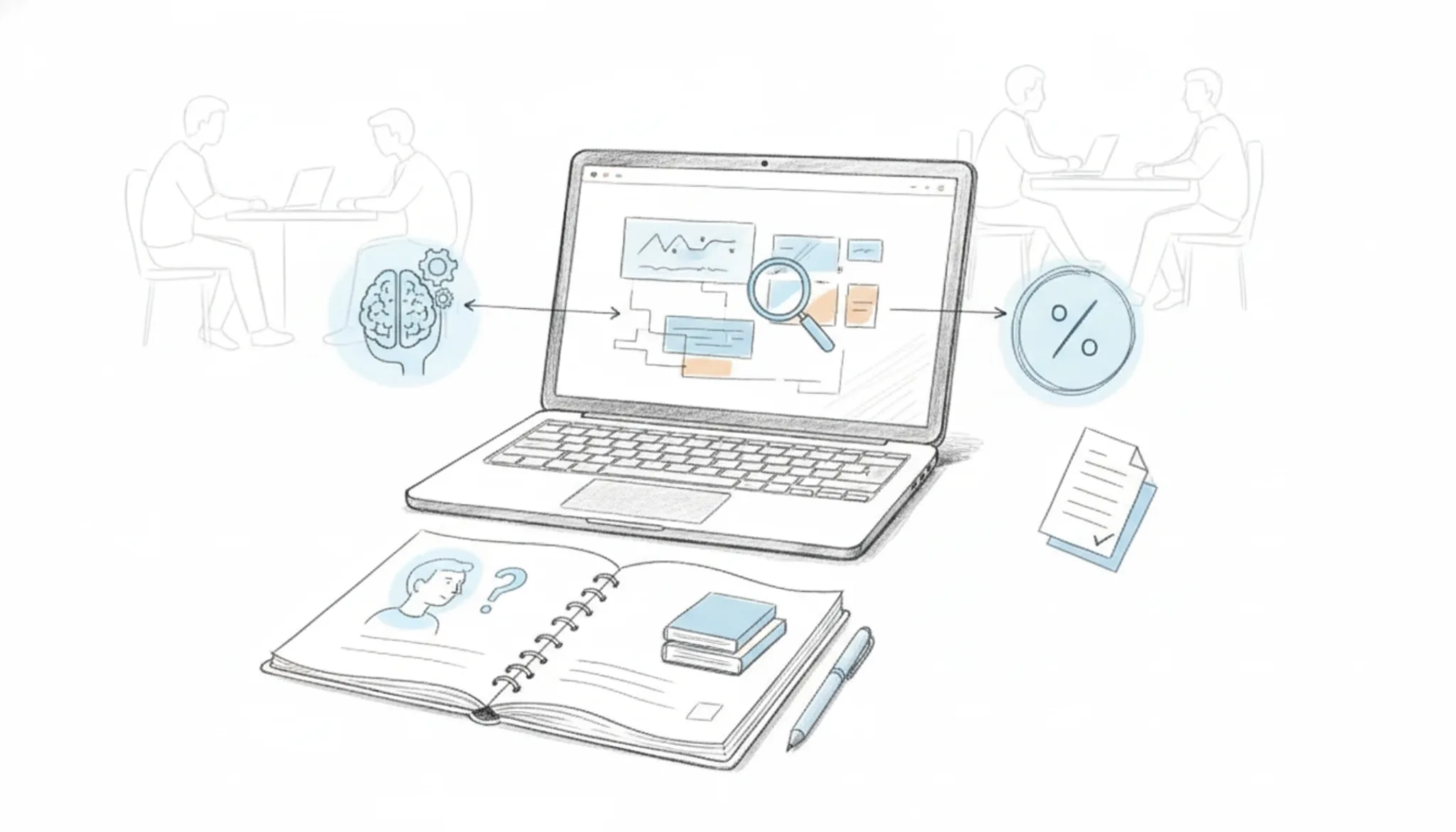
AI detectors used by colleges have real limitations that students and faculty need to understand. The most common issue is false positives: tools like Turnitin sometimes flag human-written text, especially work from non-native English speakers or writing that uses formal academic phrasing. A Reddit thread describes a student whose paper the detector flagged as "almost fully AI-generated" when only part of it used AI assistance.
Different detectors also disagree with each other; a test of 30 tools found accuracy varied widely. No detector is 100% reliable, and colleges rarely disclose their threshold or how they handle disputes. If you rely on these tools alone, you risk accusing a student unfairly or missing actual AI use.

Expert tip: what AI detector do colleges use is not the only question
The reliable rule is to keep drafts and ask your professor for their detection settings. That rule changes when a school uses detection plus similarity workflows such as Turnitin, where the AI percentage appears alongside the plagiarism score.
Knowing the exact tool matters only if you also know the threshold the professor treats as a flag.
Frequently asked questions about AI detectors in colleges
Can colleges see if you use ChatGPT?
Yes, if the college runs an AI detector on your paper. Turnitin scans for machine-written patterns, not ChatGPT itself. The outcome depends on the detector and submission length.
How accurate is Turnitin's AI detector?
Turnitin publishes a false positive rate under 1% for papers over 300 words, making it the most widely used detector in higher education. Accuracy drops on short papers and on writing by non-native speakers, where natural phrasing can look machine-generated.
Can I appeal a false AI detection flag?
Yes, most colleges allow an appeal through the academic integrity process. Early drafts, version history, and research notes are the evidence that wins. Ask your professor which documents they accept before you submit the appeal.
Does Grammarly trigger AI detectors?
Rarely for grammar corrections, since those change only a few words. Grammarly's generative features write full sentences and paragraphs, and detectors can flag that output like any other AI text. Keep your own drafts and use the editor only for polishing.
Do colleges have to tell you they use AI detection?
No universal rule requires it. Some professors warn you in the syllabus; others run the scan silently when you submit. When in doubt, ask directly or check your university's academic integrity page.
Conclusion: your next step before your college runs the scan
A detection flag starts a conversation you would rather avoid. Do not wait to see how your college's scanner reads your work; run the same scan yourself before you submit.
Word Spinner is the strongest fit for that pre-submission check. Run your draft through Word Spinner to see which patterns a college detector would flag, revise what shows up, and keep your drafts as evidence. Choose differently only if your professor already named the exact detector and threshold they use; in that case, match their tool.
Make the self-check the next step in your writing routine, not a last-minute scramble.
Source citation block
- Turnitin AI writing detection: turnitin.com/solutions/topics/ai-writing
- Reddit discussion on college AI detectors: reddit.com/r/University/comments/1hc66o9
- 30-tool accuracy comparison: pangram.com/blog/best-ai-detector-tools
- Quora comparison of Turnitin alternatives: quora.com/What-s-the-best-AI-detector-for-schools